
Knight Building Certification
The Preferred Principal Certifying Authority (PCA) for the Clarence Valley & Surrounds
About.
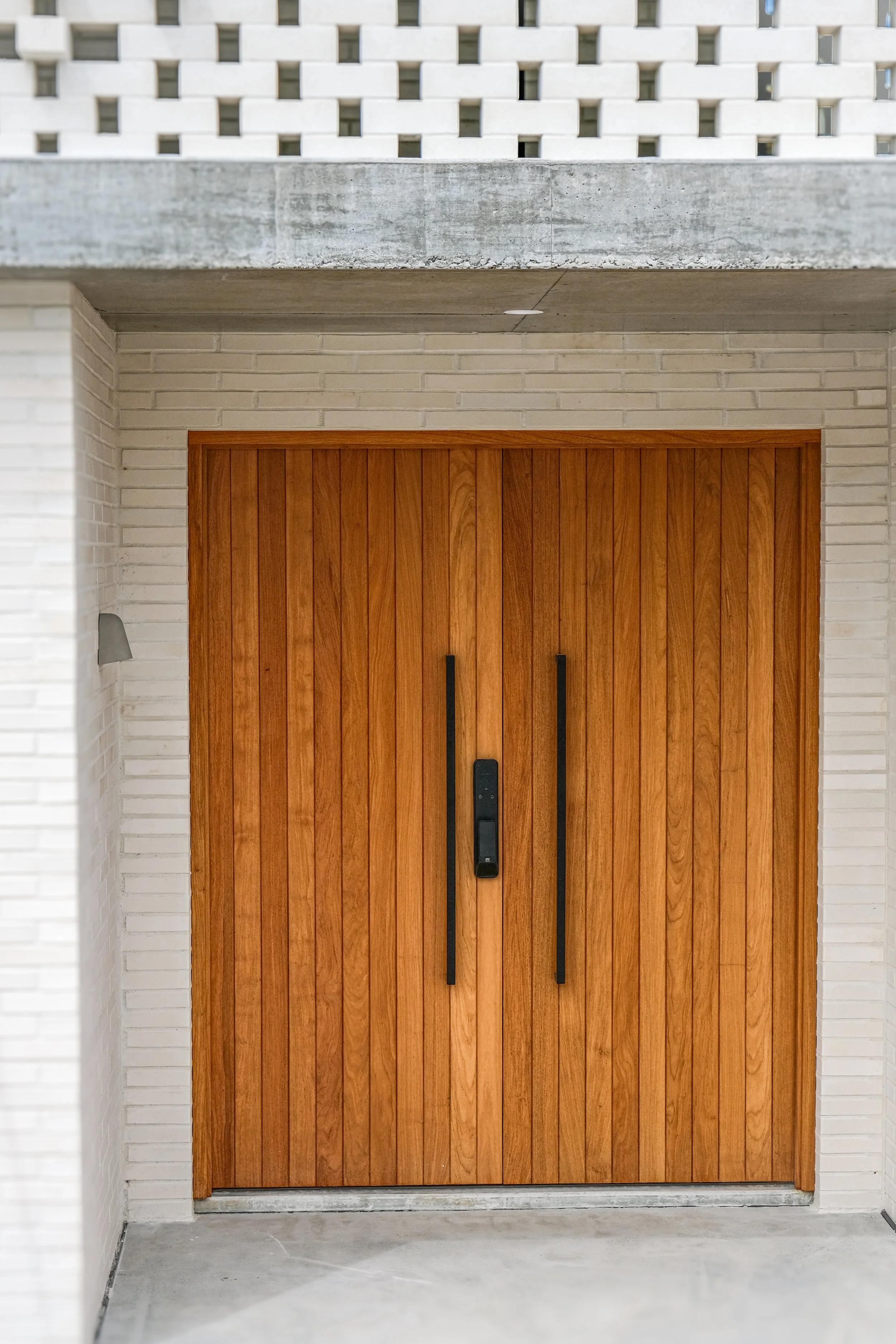
Knight Building Certification is a locally owned and operated building certification business, proudly servicing the NSW North Coast from Ballina to Coffs Harbour.
We believe certification should be straightforward. Building can be complicated enough, our focus is on clear communication, practical advice and reliable service to help keep your project moving.
As a local team, we know the area and enjoy working closely with local builders, designers and property owners. We understand how important it is to have a Certifier who is accessible, responsive and available when you need them. With daily inspection availability across our service area, we work hard to keep projects progressing from application through to final inspection.
You can expect professional certification, thorough inspections and a friendly, down-to-earth team that’s easy to deal with.
We’re here to make the certification side of your project as simple and stress-free as possible.
Local knowledge. Reliable service. Certification without the runaround.
We provide certification services on Building Classes 1 & 10 for individuals and businesses focusing on:
Construction Certification (CC’s)
Complying Development Certificates (CDC’s)

Projects.
We understand every aspect of residential construction. Our passion for good building work lays the foundation for how we conduct our business providing direction and confidence to all parties for our projects.
-
![Decks and Patios icon]()
New Home Builds
-
![Renovations icon]()
Renovations
-
![Dual Occupancy Properties icon]()
Dual Occupancy Properties
-
![Black geometric logo resembling an abstract 'W' shape]()
New Shed Build
-
![Black and white horizontal stripes alternating.]()
Extensions/Additions
-
![Swimming Pools icon]()
Swimming Pools
It all begins with an idea. Maybe you want to launch a business.


ServicE Area.
Byron Bay
Ballina
Lismore
Woodburn
Yamba
Evans Head
Casino
Grafton
Coffs Harbour
Nambucca Heads
FAQ's
-
A private certifier is a registered professional who independently assesses building work to make sure it meets the relevant approvals, legislation and building standards.
Once your DA is approved, a private certifier such as Knight Building Certification can look after the Construction Certificate, required inspections and Occupation Certificate.
Although you engage us privately, certifiers are public officials and independent regulators of building work and must act impartially and in the public interest.
-
For projects requiring a Development Application (DA), Council will generally assess whether the proposed development is suitable for the site.
In simple terms: Council generally approves what can be built and where it can be built on your property. Your certifier makes sure it can be built in accordance with the approval and applicable building requirements.
-
You have the choice of using Council or a registered Private Certifier for the certification process.
The big benefit of working with Knight Building Certification is communication and service. You'll know who you're dealing with, what information is required and what needs to happen next.
We're here to make the certification side of building feel clear, organised and straightforward – while still carrying out our role for the NSW State Government.
-
Earlier is usually better.
You don't necessarily need to wait until everything is finished before getting in touch.
If you're working through a DA, planning a CDC or getting your construction documentation together, contact us and we can explain what will be required from a certification perspective.
Getting organised early can help avoid missing documentation and unnecessary delays when you're ready to lodge.
-
This is not a service Certifiers legally do in NSW.
For DA preparation and planning advice, you'll generally need to work with your building designer, architect or planning consultant, depending on the project.
Once your DA is approved, that's where we come in – assessing the Construction Certificate and, if appointed as Principal Certifier, looking after the required inspections throughout construction through to occupation of the building.
-
Generally, your builder or the person managing the construction will book inspections with us when the project reaches each required stage.
We'll identify the required inspections for your project which will be published on your construction certificate, so everyone knows what needs to be inspected and when.
-
If we identify an issue during an inspection, we'll explain what needs to be addressed from a certification perspective.
Depending on the issue, this could involve rectification work, additional information or another inspection before the project progresses.
-
No. It is the owners choice when it comes to appointing the Principal Certifier.
Your builder may recommend a certifier they've worked with before, but the appointment needs to be made freely in accordance with NSW requirements.
-
Once your CC has been issued, there are still a few things that need to happen before construction can start.
This generally includes appointing a Principal Certifier, making the required notifications and ensuring any relevant pre-commencement conditions have been satisfied.
During construction, the required inspections are carried out at the nominated stages.
Once the project is complete and the relevant requirements have been satisfied, the final certification process can begin, which will include an Occupation Certificate.
-
Because building is complicated enough already.
At Knight Building Certification, we believe the certification side shouldn't add unnecessary stress.
We're a local team offering professional building certification with a relaxed, approachable style and a strong focus on customer service.
We work with homeowners, builders, designers and other industry professionals to keep communication clear and make sure everyone understands what's required at each stage.
We're still independent certifiers and take that responsibility seriously – we just don't think the process needs to feel difficult.
-
Once your DA has been approved, you will generally need a Construction Certificate (CC) before building work can commence. A CC confirms that the detailed construction plans and specifications are consistent with the development consent and meet the applicable building requirements, including the Building Code of Australia.
You'll also need to appoint a Principal Certifier and make sure any relevant pre-commencement requirements have been met.
-
A Complying Development Certificate (CDC) is a fast-tracked approval pathway that combines planning and construction approval into one process.
Not every project or property will qualify. Your proposal needs to meet specific development standards and your land must be suitable for the complying development pathway.
It's generally best to investigate this early in the design process with your planning consultant, building designer or architect. They can design the project with the relevant planning requirements in mind.
If your project meets the requirements, a CDC can be assessed and issued by an appropriately registered private certifier such as Knight Building Certification.
-
The NSW Planning Portal is the NSW Government's online platform used to manage planning and development applications across NSW.
It's where applications such as DAs, CC’s and CDC’s must be lodged and managed, along with other parts of the building approval and certification process.
You or your nominated professional such as an Architect, Building Designer or Planning Consultant will use the Portal at different stages of your project to submit information, and keep track of your application, right through to receiving your Construction Certificate.
-
For certification applications, timing can depend heavily on the quality and completeness of the information submitted, the complexity of the project and how quickly any requested additional information is provided.
A straightforward, well-prepared application may move relatively quickly, while a more complex application or one with missing information can take considerably longer.
Our best advice is to get your plans, engineering and supporting documents organised early. A complete application is one of the best ways to keep things moving.
-
Because registered certifiers are independent regulators, there are limits on the assistance we can provide when it comes to designing or preparing something that we will later assess.
Depending on your project, we recommend engaging the right professional early – this might be a planning consultant, building designer, architect, engineer or other specialist consultant.
-
This depends on what you're building, where you would like to build it and the planning controls that apply to your property.
There isn't a simple dollar value that determines whether you need approval.
In NSW, smaller works that meet specific requirements may be Exempt Development and need no planning or building approval. Other projects may qualify for a Complying Development Certificate (CDC), while projects that don't meet these pathways may require a DA followed by a CC.
It's always best to confirm the correct approval pathway before starting design or construction.
-
There are specific rules around things like size, height, setbacks and where the structure can be located, so just because something is small doesn't automatically mean you can build it without approval.
It's best to check first. Your local Council or planning professional can help with site-specific planning advice and confirm what controls apply to your property.
-
Short answer – generally, you can't simply turn an approved shed into a habitable room or dwelling.
A typical shed is generally approved as a Class 10a building, while a dwelling is generally a Class 1 building. The requirements for habitable buildings are significantly different.
A conversion can involve much more than adding walls and a bathroom. Things such as the existing slab and structure, ceiling heights, waterproofing and weatherproofing, insulation, ventilation, condensation management, energy efficiency and other National Construction Code requirements may all need to be considered.
There are also planning requirements to consider, including whether the proposed residential use is permitted on the property and what approval pathway is required.
If you're thinking about converting a shed or garage into living space, speak with your building designer, architect or planning consultant before starting any work.
-
There is no single setback that applies to every property.
The answer depends on things like your property, zoning, type and height of the building, the approval pathway and the planning controls applying to the site.
For a DA, setbacks may be influenced by Council's Local Environmental Plan (LEP) and Development Control Plan (DCP). For complying development, the relevant standards under the Codes SEPP will need to be met.
Your building designer, architect or planning consultant can check the requirements for your particular property.
-
You can engage or start talking to a builder at any stage of the process.
Getting a builder involved early can be helpful for discussing budget, buildability, construction methods and timing.
Just remember that the more information you can give them, the more accurately they can quote. Ideally, they'll have detailed architectural plans, engineering, specifications and a clear scope of works to price from.
You don't necessarily need to wait until your approvals are complete to start talking to builders – you just need the required approvals and certification in place before building work starts.
-
The required inspections will depend on your project and building classification.
For KBC projects, we'll identify the required inspections as part of the certification process so you and your builder know what needs to be inspected and when to book us in. Additional inspections may also be required depending on the project.
For a typical Class 1 or Class 10 project, critical stage inspections can include:
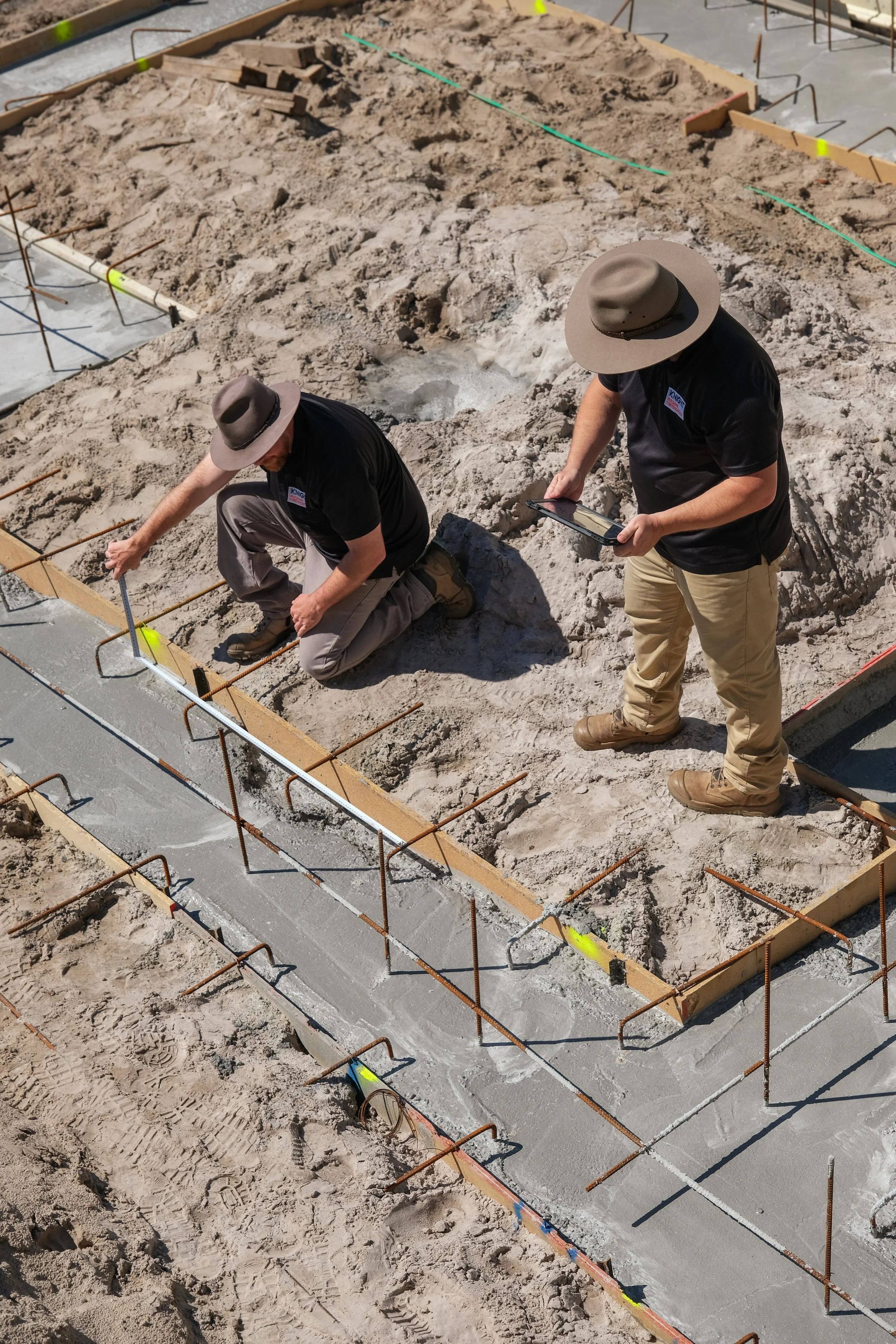
After excavation and before footings are placed
Before pouring reinforced concrete elements
Before covering the building framework
Before covering waterproofing in wet areas
A final inspection once the building work is complete
-
Potentially, sometimes.
Your approved plans form part of your development consent, so you can't simply make changes during construction and assume they'll be okay.
Depending on the nature of the proposed change, you may need to lodge a Modification of Consent through Council.
For a modification pathway to apply, the development generally needs to remain substantially the same as the development originally approved. If the proposed changes go beyond this, a new DA may be required.
If you're thinking about changing the design, speak with your building designer, architect or planning consultant before making the change.
-
Put simply, a DA is the planning approval and a CC is the construction approval.
A Development Application (DA) is essentially the formal question: “Can I build this here?” It considers whether the proposed development is suitable for the site and assesses planning matters such as land use, setbacks, building height and impacts on surrounding properties. For most residential DA projects, the application is assessed and determined by the local Council.
Once the DA is approved, the next step is generally a Construction Certificate (CC). This is essentially the question: “Can I build it this way?” It looks at the detailed construction plans, engineering and specifications to make sure they are consistent with the DA approval and meet the applicable building requirements, including the Building Code of Australia.
A CC can be issued by Council or an appropriately registered private certifier, such as Knight Building Certification.